
34
What about it?

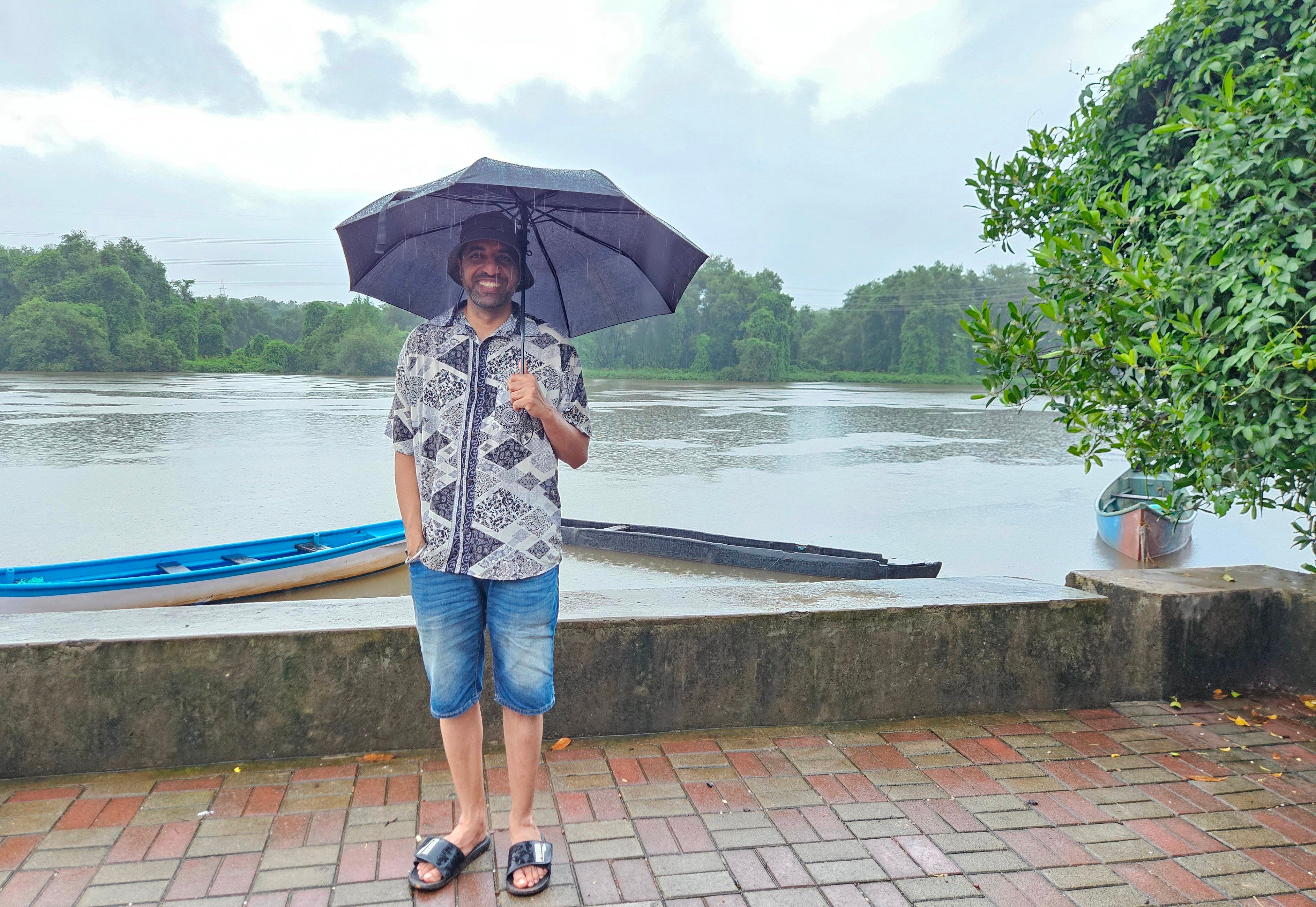
Time is weird. In the physical world, it follows a linear path - organized and measured neatly. But, lived time doesn’t fit into these shallow containers. We know that time seems to move faster as we age. Yet, it often comes as a surprise when we realize that an entire chapter of life has become history without us even noticing it.
In his final book, Antim Aranya, literally translating to ‘The Final Wilderness’, Nirmal Verma plucks out the terror and loneliness of experiencing this cruel passing of time, and carefully plants it on paper.
“पुराने दोस्तों के चेहरे खुद हमें अपने होने के खँडहरों की याद दिलाते हैं…चेहरे की झुर्रियाँ, सफ़ेद होते बाल, माथे पर खिंची त्योरियों के गली-कूचे…जिनके चौराहों पर हम उन्हें नहीं, खुद अपनी गुज़री हुई ज़िन्दगी के प्रेतों से मुलाक़ात कर लेते हैं…”
- Nirmal Verma
Isn’t it true? On a regular day, when we come across a familiar face from our long-forgotten past, only then are we jolted back into the reality of the moment. Like going back to a childhood school, visiting an old neighbourhood where we spent our youth, or running into a friend who once meant the whole world to us. In their faces, we see ourselves - who we used to be, and the distance that we have covered imperceptibly.
When I went back to Bir in Himachal Pradesh this year, I came face-to-face with this reality. In the changing landscape of the place, I was seeing my own evolution – from a 25-year-old who had first arrived there, confused about everything in life, and then a 30-year-old looking for an escape from the pandemic-induced dullness.
When I made my way to Bir the third time, it was in the middle of a professional turmoil. This time, I stayed, and I befriended the place. Bir felt like home for months, and when I had to eventually move away, I left with the promise of returning soon. But when I did, I found myself desperately searching for something that did not exist anymore. Something had changed about the place. Or, about me.
And thus began the process of accepting that I had outgrown certain experiences, feelings, places, and people. There was no point in holding on to them. This is what this year has been all about – embracing the change and learning to loosen my grip.
Are you even growing if you are not outgrowing things?
What I went looking for in Bir wasn’t there because I wasn’t the same person. But I was making the mistake of trying to desperately unearth the same feelings. I had forgotten that life doesn’t work that way – you play a song on repeat for too long and it eventually loses the magic. There’s no point clinging on to it – like there’s no point in clinging on to the ideas that worked for you in the past, routines that felt rejuvenating at some point, and conversations that once made you feel excited, but now feel like a drag.
Somehow, this acceptance created a positive domino effect. I started observing everything that had stopped working for me. And the unravelling started – the community I had embedded in for years, the friendships that had run their course, and the habits that were just pointless now; everything had to be discarded.
I knew I had to begin the process of shedding, and so I did. When you let go of what’s obsolete in life, it opens up space for something new, something that you have been putting aside for too long. For me, it was philosophy, religion, and history – subjects that always excited me but never got precedence. This year, I decided to dive in and experience the buoyancy of philosophy. I spent days immersed in some ideas and hours playing with a thought. I allowed history to transport me to fantastic worlds.
This year I wrote more, but I published less. I discarded ruthlessly, and I stuck to what worked for me, not what was touted as THE way of approaching a craft. Doesn’t mean I stopped listening, and observing, and learning. But I began adopting more mindfully. How well this formula has worked will be known in time.
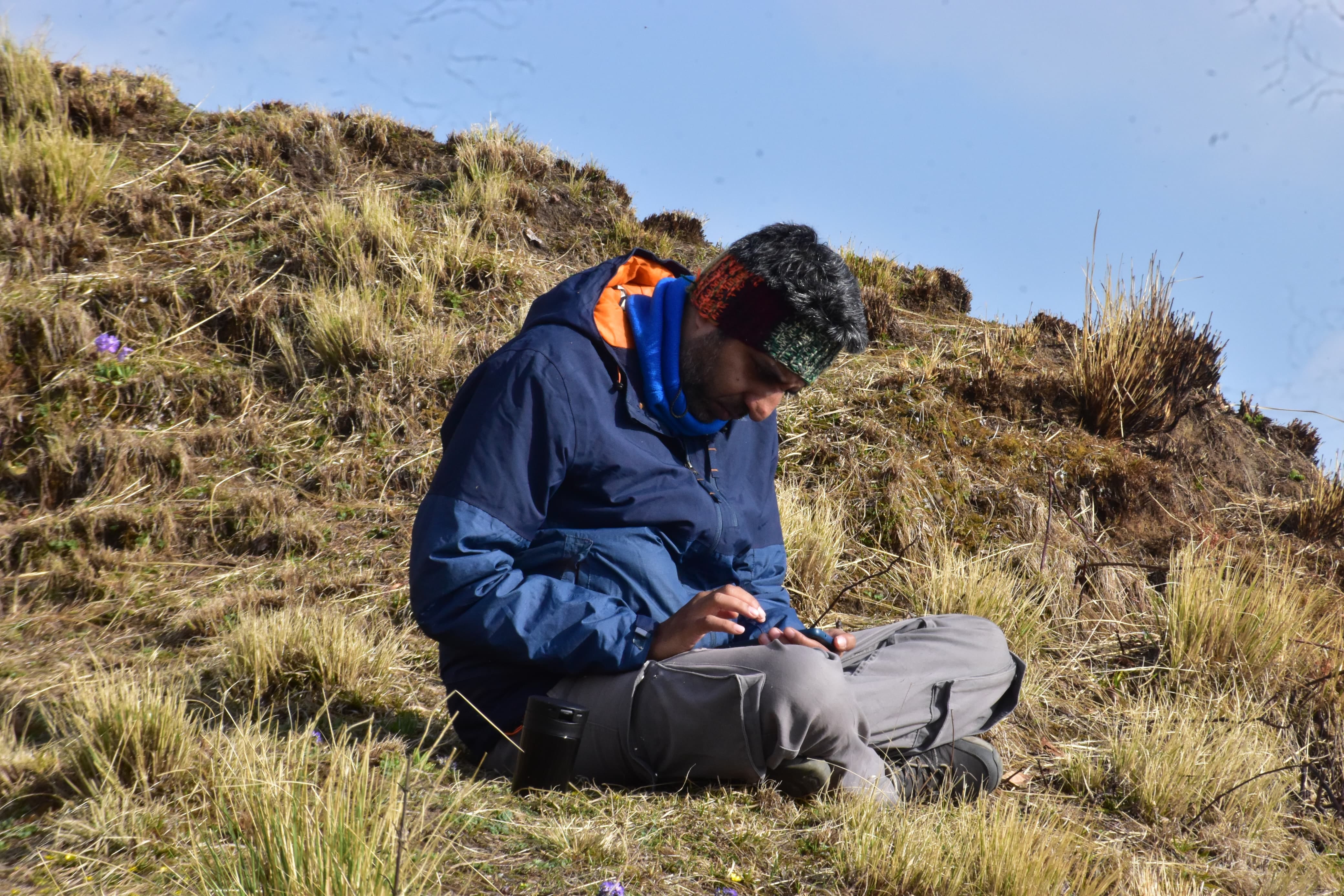
This year was also about rediscovering the old joys. Like trekking - after years, I hiked up a mountain with strangers and returned with new friends. I promised myself I’d do it at least once a year from hereon. Like music - I finally picked up that harmonium and signed up for the classes. So, what if I might never be as good? Some things in life you just do for the joy of doing.
Writer and poet Vladimir Nabokov once said that you cannot read a book; only reread it. “A good reader, a major reader, an active and creative reader is a re-reader.” His idea was simple, yet profound – when we read a book for the first time, we do it laboriously and we don’t get enough of an opportunity to appreciate the art. The same is true for other experiences.
This year, I opted out of the race and engaged in activities more consciously. We live in a world that creates a false sense of abundance. There is always something new to watch, to read, and to practice. Accumulation becomes the default mode of existence: different flags in your Instagram bio, reading challenges on Goodreads, number of subscribers on Substack; every experience turns either into a contest or a performance.
Absolute madness! I wasn’t going to be a part of it anymore.
This year, I found a better flow and balance between slogging it out and surrendering completely. I read and re-read books. I watched and re-watched movies. I struggled. I persevered. And I found a new way of seeing, expressing, and engaging with life.
Every year, it feels like months passed without anything consequential happening, but only when I sit down and write on my birthday, like I am doing today, that it occurs to me how many springs and summers and winters and autumns I experienced within. And how it has only nourished me and made me a better person.
In the end, I am only grateful for the journey.
34. That’s about it.
Beautifully penned! Bleated happy birthday, Namit :)
What a beautiful read, Namit. 'Are you even growing if you're not outgrowing things?' is nudging me to sit down and think about what I am ready to shed without realising it. Delighted for the year you've had. Happy birthday!